

Regenerative tourism approaches tourism as a resource that can contribute to the thriving of life in our places, communities, cultures, and natural resources when designed responsibly.
Unlike traditional tourism - which often focuses on checking off sights and sites, being entertained, and moving on - or even sustainable tourism - which aims to reduce harm to the natural environment - regenerative tourism goes a step further. It asks:
How can tourism restore and renew the places where it is hosted?

Here’s one way to think about it:
Imagine someone is visiting Hawaiʻi and wants to experience the islands “authentically”:
A traditional tourism experience might be designed primarily around what visitors want to see and do: attending a large lūʻau, receiving a purple orchid lei, eating from a buffet, and watching a performance — perhaps with little context about the people, practices, or place behind the experience.
A sustainable tourism experience might ask how that same experience can be offered more responsibly: keeping groups smaller, sourcing locally, reducing waste, sharing more about the history and meaning behind cultural practices, and taking steps to lessen tourism’s impact on the place and community.
A regenerative tourism experience starts somewhere different. It begins with the people and place that make the experience possible: What do they value? What do they want to share? What needs care? And how can tourism contribute? The resulting experience might invite visitors to learn directly from cultural practitioners, spend time working in a traditional agricultural system, or participate in caring for a place — with the experience shaped by the knowledge, priorities, and intentions of those who host them.
In regenerative tourism, the visitor is a vital and valued partner, but they aren’t the starting point. The experience begins with place, community, and what matters to the people who care for them. Visitors are then invited into that relationship to listen, learn, participate, contribute, and be delighted in ways that support the places that host their own experience.

WHY IT MATTERS TO HAWAIʻI
Tourism supports livelihoods in Hawaiʻi every day, but it can also put pressure on the land, strain local communities, and reduce culture and place into something to be consumed. At the same time, visitors can leave without ever understanding the people, relationships, and responsibilities that make Hawaiʻi what it is. That’s why Hawaiʻi is moving toward something different.
Regenerative tourism in Hawaiʻi is grounded in Hawaiian values like mālama (care), kuleana (responsibility), and pilina (connection). It asks us to think beyond just reducing tourism’s impacts and consider what tourism can contribute to the places and communities that make it possible.
That means starting with the needs, knowledge, and priorities of the people who care for these places, and creating opportunities for visitors to participate and enjoy in ways that strengthen connection, support local communities, and contribute to the long-term care of Hawaiʻi.
It’s a different way of thinking about tourism: not simply as an experience to be consumed, but as a relationship built on respect, responsibility, reciprocity, and care.

WHAT THIS MEANS FOR YOU
Whether youʻre a visitor, community member, policymaker, business owner, or nonprofit team member, regenerative tourism invites you to play a part.
Visitors can seek out experiences that give back and connect deeply with place.
Residents can help shape what a thriving tourism system looks like in their own communities.
Policymakers can support community-led, sustainable models that center culture, kōkua, and care.
Businesses can align their operations with local values, ecosystems, and community needs.
Nonprofits can care for our wahi pana (sacred spaces) and engage visitors in caring for place.
Regeneration happens when everyone has a seat at the table - and a role to play.
TECHNICAL ASSISTANCE & CAPACITY BUILDING (TACB) BY

To support development of a more regenerative tourism industry, the Hawaiʻi Tourism Authority introduced the Technical Assistance & Capacity Building (TACB) programs in 2024. Click below to learn more about how these programs are empowering businesses and nonprofits across Hawaiʻi.
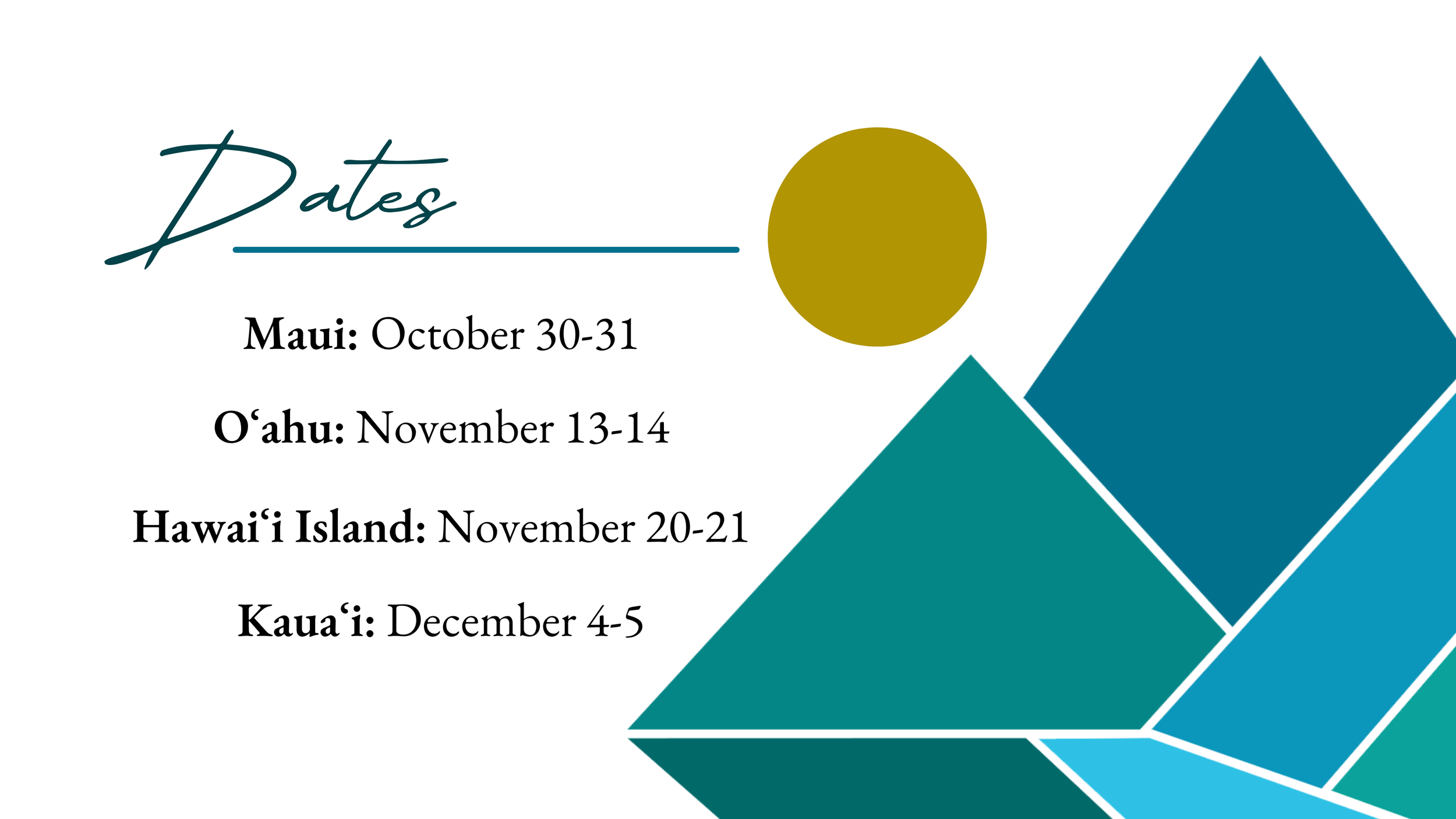
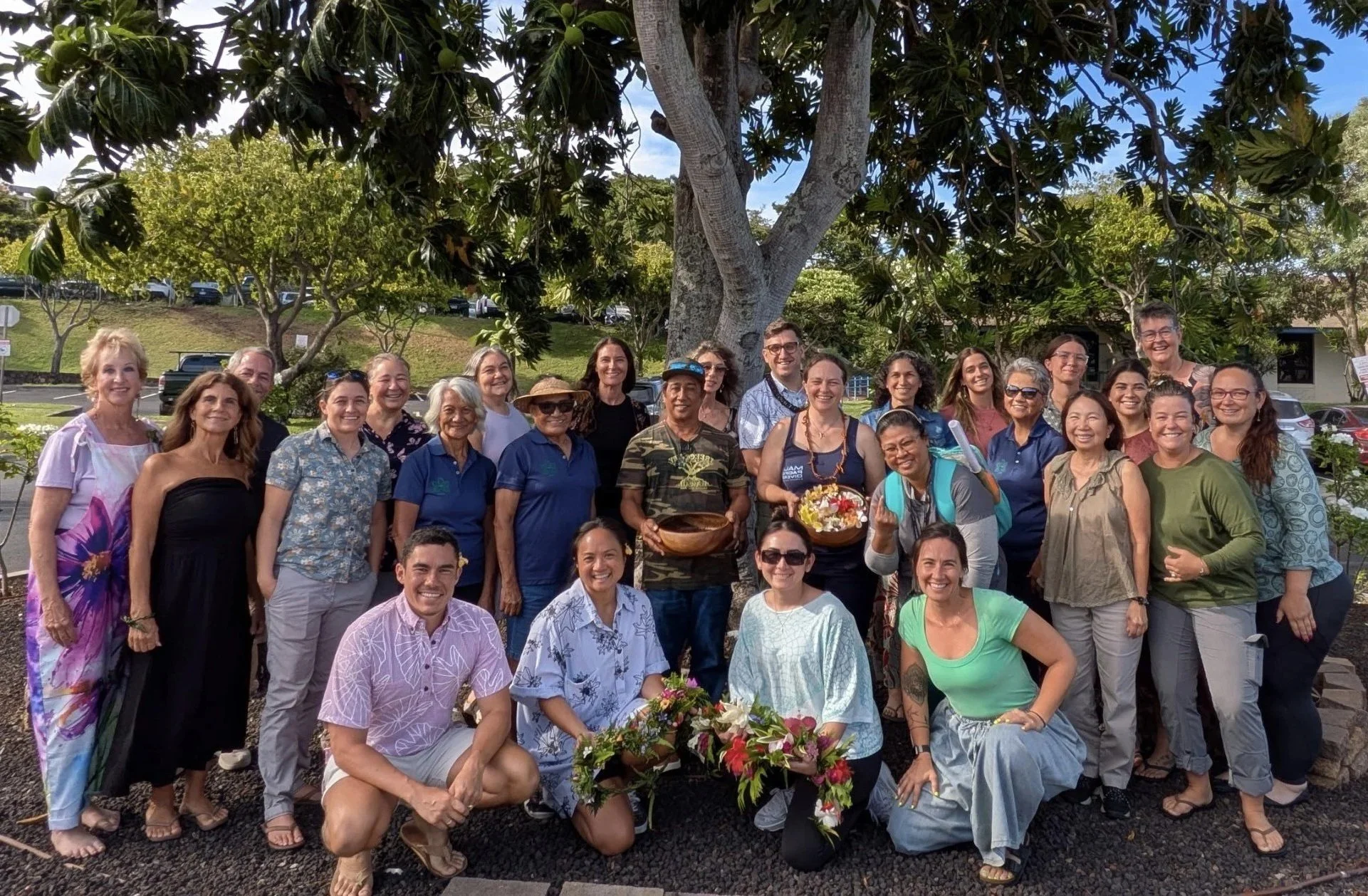
The Foundational Technical Assistance program seeks to connect local businesses and nonprofits with foundational knowledge and connections with the visitor industry through a series of workshops held across Hawaiʻi pae ʻāina.
The Community Stewardship program is a cohort based initiative aiming to assist local nonprofits that care for ʻāina and community. In 2024, focus was on building internal capacity of organizations stewarding areas designated as tourism “hotspots.” In 2026, the program shifted to developing voluntourism, managed access, or other community benefit programs engaging visitors.
The Regenerative Experiences program is a cohort based initiative that aims to expand Hawaiʻi’s regenerative visitor industry by working with local businesses and nonprofits to develop more culturally-based, sustainable experiences for visitors that support local communities.
LATEST REGENERATIVE TOURISM NEWS
-
![]()
New Destination Management Plans Focus on Hotspots Under Strain
Hawaiʻi Tourism Authority (August 7, 2026)
-
![]()
The Ala Wai Canal Paved the Way for Modern Waikiki. Now Locals and Travelers Are Helping Clean It Up.
TravelAge West (August 7, 2026)
-
![]()
ʻĀina Hoʻōla Initiative: Recipient of the 2026 Dr. Fern Duvall Conservation and Collaboration Award
Pacific Birds Habitat Joint Venture (August 3, 2026)
-
![]()
Native Hawaiian Farmers Take Over Turtle Bay’s Hidden Ag Acres
Hoodline (June 16, 2026)
-
![]()
Community Voices: From Resistance to Regeneration at Waipā
Aloha State Daily (May 25, 2026)
-
![]()
Some Digging to Do Before Digging in at this Luau Alternative
Travel Weekly (January 6, 2026)
-
![]()
Local Picks for the Best Things to Do Across the Hawaiian Islands
TravelAge West (December 29, 2025)
-
![]()
Sustainable Food Production and Agroforestry are the Main Deeds of this Kauaʻi Farm
Hawaiʻi Public Radio (December 10, 2025)
-
![]()
Can Tourism Be Respectful? Native Hawaiians Have a Plan
Washington Post (October 4, 2025)
-
![Waves crashing in Kipahulu District]()
All You Need to Know About Hawaii’s New Green Tax for Tourists
Earth.org (September 22, 2025)
-
![]()
Inside Hawai‘i’s Small but Persisting ‘True Tea’ Industry
Overstory (July 2, 2025)
-
![]()
Kahuku Farms Wins National Award for Farm-to-Table Excellence
Island News (June 26, 2025)
-
![]()
The Ultimate Kauai Itinerary, According to a Local (w/ Ivory Lloyd)
Sunset (June 16, 2025)
-
![]()
In Hawai’i, Restorative Justice Takes the Form of an Underground Oven
Saveur (May 30, 2025)
-
![]()
Hawaiʻi Makes History As First State To Charge Tourists To Save Environment
Civil Beat (May 27, 2025)
-
![]()
Maui Department of ‘Oiwi Resources Awards $450K in Cultural Grants
Maui News (May 15, 2025)
-
![]()
Is It Possible to be a Good Tourist in Hawai‘i, or Should I Just Stay Away?
Hawaiʻi Business (November 15, 2024)





CONTACT US
Hoping to learning more about the move toward a more regenerative visitor industry for Hawaiʻi?
Interested in joining one of HTA’s cohort programs, or learning more about upcoming Foundational Technical Assistance workshops?
Fill out the contact form to the right, and we will be in touch soon.